
When a dental emergency strikes in Southern Indiana, quick access to care can make all the difference. Whether it’s a severe toothache, a knocked-out tooth, or sudden swelling, knowing where to turn is crucial. An emergency dentist in Southern Indiana is equipped to handle urgent situations promptly to reduce pain and prevent further damage.
Many local dental offices offer after-hours or same-day appointments to ensure patients don’t have to wait in discomfort. These dentists focus on immediate relief and use modern techniques to stabilize the problem before planning any long-term treatment.
Patients can feel reassured that emergency dental care in this area combines expert knowledge with a caring approach. If unexpected dental pain or injury occurs, reaching out to a trusted emergency dentist can provide necessary support and guidance.
What Qualifies as a Dental Emergency?
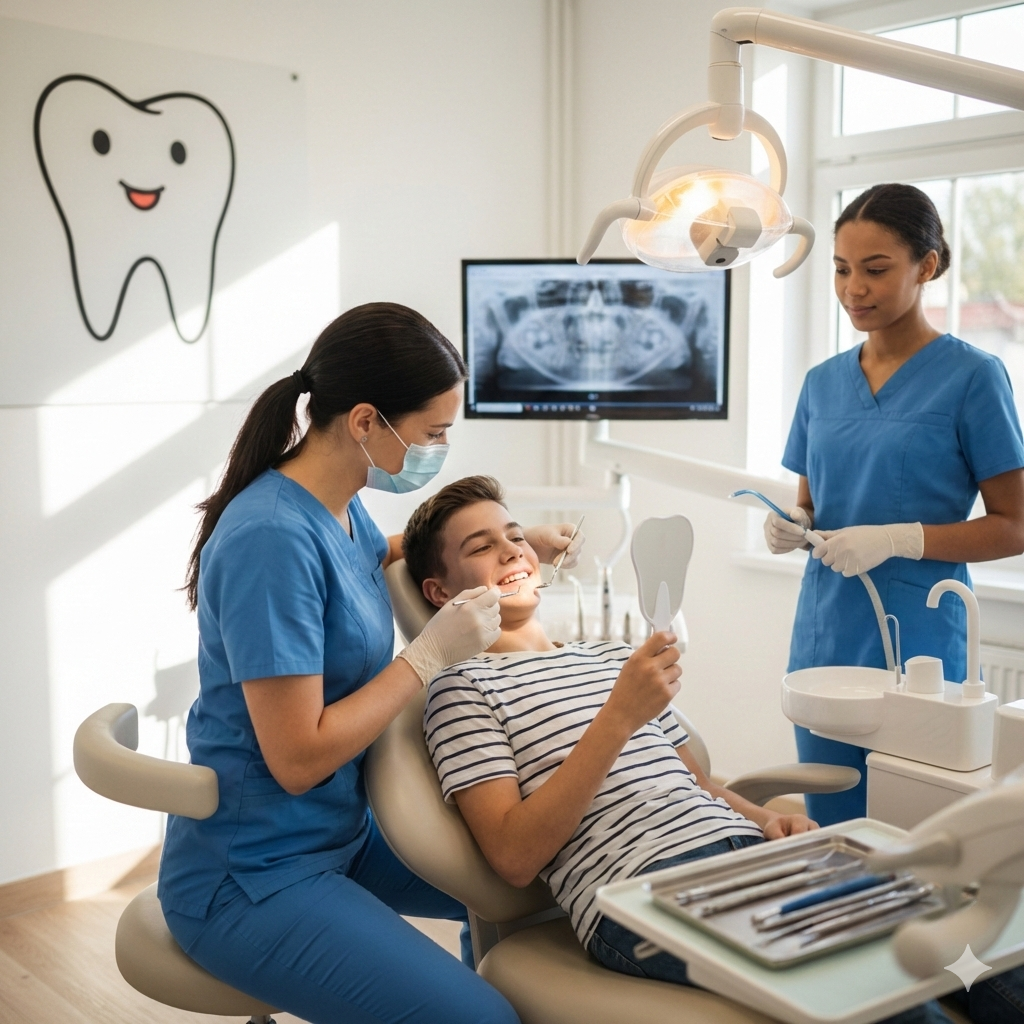
Dental emergencies need quick attention to prevent further damage or pain. They often involve sudden trauma or severe discomfort that can’t wait for a regular appointment.
Common Types of Dental Emergencies
Common emergencies include knocked-out teeth, broken or chipped teeth, severe toothaches, and infections causing swelling or fever. A tooth knocked out requires immediate care to potentially save it. Cracked teeth might cause sharp pain or sensitivity, especially to hot or cold.
Other emergencies involve objects stuck between teeth causing pain, lost fillings or crowns, and abscesses, which are infections that develop into painful, swollen pockets. Each of these requires prompt dental evaluation to avoid worsening symptoms or complications.
Recognizing Urgent vs. Non-Urgent Dental Issues
Urgent issues generally involve intense pain, bleeding, swelling, or trauma to teeth or gums. If there is uncontrolled bleeding, a tooth knocked fully out, or a tooth broken enough to expose the nerve, the situation is urgent.
Non-urgent problems may include mild sensitivity, loose fillings, or minor discomfort without swelling or pain. These can often wait for a scheduled visit but still benefit from timely attention to prevent worsening.
How to Respond in Case of an Emergency
First, stay calm and assess the situation carefully. For a knocked-out tooth, rinse it gently with water without scrubbing and place it back in the socket if possible, or keep it moist in milk.
Apply pressure with a clean cloth to control bleeding. For pain, over-the-counter pain relievers can help until professional care is available. Avoid using heat or extreme cold directly on the area unless advised by a dentist.
Contact an emergency dentist in Southern Indiana immediately when symptoms are severe. Quick action can save teeth and reduce complications.
Finding an Emergency Dentist in Southern Indiana
Knowing how to locate a reliable emergency dentist quickly can ease stress during a dental crisis. It involves finding someone nearby who is accessible, experienced, and ready to see patients immediately.
How to Search for Local Emergency Dentists
Start by checking online directories and dental association websites specific to Southern Indiana. These often list dentists who specialize in emergency care and provide their contact details.
Neighbors and local social media groups can also be helpful sources for recommendations based on real experiences. When calling, ask if they handle urgent cases like severe toothaches, broken teeth, or infections.
Make a list of a few options within a 20-30 mile radius to ensure quick access. Confirm that the dentist is licensed, accepts your insurance, and offers services you might need outside regular hours.
Evaluating Availability and Same-Day Appointments
An emergency dentist should have flexible hours, including evenings and weekends. Confirm directly whether they offer same-day appointments or after-hours walk-in availability.
Ask about their process for emergencies—some may have a dedicated phone line or triage system to prioritize urgent cases. Finding a dentist with in-house X-rays and treatment options reduces the need for multiple visits.
Clear communication about wait times and costs upfront helps avoid surprises during a stressful visit. Patients should feel comfortable reaching out anytime pain or injury occurs without hesitation.
Immediate Steps Before Seeing the Dentist
When facing a dental emergency, quick and careful action can make a big difference. Handling the situation properly before arriving at the dental office helps reduce pain and protect the affected area.
First Aid Tips for Dental Emergencies
If a tooth is knocked out, it’s crucial to act fast. The person should gently pick up the tooth by the crown (not the root), rinse it with milk or saline if dirty, and try to place it back in the socket. If reinsertion isn’t possible, keep the tooth in a container with milk or saliva to preserve it until reaching the dentist.
For severe pain or swelling, rinsing the mouth with warm salt water can reduce irritation. Applying a cold compress to the outside of the cheek helps control swelling and numbs the area. Over-the-counter pain relief is acceptable, but avoid aspirin as it can increase bleeding.
What to Avoid While Waiting for Care
Avoid touching or probing the injured site with fingers or other objects. This can worsen damage or introduce bacteria. Chewing on the injured side should be avoided to prevent further pain or broken teeth from shifting.
Do not attempt to self-adjust or push back any displaced teeth. Avoid hot or hard foods, which might irritate the affected area. Smoking and alcohol should also be avoided, as they delay healing and increase infection risk.
Following these steps carefully supports better outcomes until professional treatment is available.
How Emergency Dentists Treat Urgent Dental Problems
Emergency dentists focus on quickly relieving pain, repairing damage, and making patients comfortable during urgent dental issues. They use proven methods and modern technology to handle everything from sudden toothaches to injuries.
State-of-the-Art Procedures for Pain Relief
Emergency dentists in Southern Indiana use advanced techniques to manage pain effectively. They start with a thorough diagnosis, often employing digital X-rays to pinpoint the exact cause of discomfort.
To relieve pain immediately, they may apply localized anesthesia or prescribe fast-acting medications tailored to the patient’s needs. In cases of severe infection, antibiotics are also administered promptly to reduce swelling and prevent complications.
These pain relief strategies are designed to provide swift comfort while preparing the patient for any necessary follow-up treatments.
Modern Techniques for Tooth Repair
When it comes to fixing damaged teeth, emergency dentists rely on durable, minimally invasive approaches. For cracked or broken teeth, they might use composite bonding or dental crowns that are custom-made for a natural look and strong protection.
If a tooth is knocked out, they follow precise reimplantation protocols to save it when possible. Root canal therapy is performed on teeth with deep infections or nerve damage to eliminate pain and preserve the tooth’s structure.
These treatments aim to restore function quickly while minimizing further dental problems.
Sedation and Comfort Options
Patient comfort is a priority during emergency visits. Dentists offer a range of sedation options, from mild nitrous oxide (“laughing gas”) to oral sedatives for those with anxiety.
For more complex or painful procedures, intravenous (IV) sedation may be used to keep patients relaxed and comfortable throughout treatment.
Dental teams also focus on gentle care, explaining each step clearly and checking in regularly to ease any concerns patients might have. This approach makes emergency dental visits less stressful and more manageable.
Aftercare and Recovery Following Emergency Dental Treatment
Proper care after emergency dental treatment plays a crucial role in avoiding complications and promoting healing. Patients should focus on managing pain and protecting the treated area while following specific guidelines to support recovery.
Managing Discomfort at Home
To handle pain following emergency dental work, over-the-counter pain relievers like ibuprofen are usually recommended unless the dentist prescribes something stronger. Applying a cold compress to the outside of the cheek can help reduce swelling and numb discomfort during the first 24 hours.
Patients should avoid hot drinks and hard or crunchy foods, which can irritate sensitive areas. Keeping the head elevated while resting may also minimize swelling. Maintaining gentle oral hygiene using a soft-bristle toothbrush will protect the healing gums without disrupting stitches or treated surfaces.
Tips for a Smooth Healing Process
Healing after emergency dental treatment generally requires avoiding tobacco and alcohol since both can delay tissue repair. Drinking plenty of water encourages saliva production, which helps keep the mouth clean and supports recovery.
Following any specific instructions for eating, medication, or activity restrictions is essential. Scheduled follow-up appointments allow the dentist to check for complications early. If bleeding continues beyond a few hours or severe pain develops, patients should contact their dentist promptly for advice.
Preventive Strategies to Reduce Dental Emergencies
Taking simple, consistent steps can greatly reduce the risk of dental emergencies. Staying on top of daily care and visiting the dentist regularly keeps teeth strong and problems manageable before they turn urgent.
Healthy Oral Care Habits
Brushing twice daily with fluoride toothpaste is essential to remove harmful plaque and prevent decay. Using a soft-bristled brush and gentle strokes helps protect gums from irritation. Flossing once a day clears debris between teeth, reducing the chance of cavities and gum disease, common triggers for emergencies.
Avoiding hard foods, ice, and chewing non-food items lowers the risk of cracked or broken teeth. Wearing a mouthguard during sports also protects teeth from trauma. Hydrating well helps maintain saliva flow, which naturally fights bacteria and keeps the mouth balanced.
Importance of Regular Dental Visits
Regular dental check-ups every six months enable early detection of potential issues like cavities or gum inflammation. Dentists can provide professional cleanings that remove stubborn tartar inaccessible at home, preventing infections.
During these visits, X-rays may reveal hidden problems such as abscesses or bone loss that, if untreated, could cause sudden pain or tooth loss. Discussing any discomfort promptly with a dentist allows for timely care, reducing chances of emergency visits.
Encouraging routine office visits empowers patients to take control of their oral health, ensuring small concerns don’t escalate into urgent dental crises.
Cost and Insurance for Emergency Dental Care
Emergency dental care costs can vary depending on the type of treatment needed. Simple procedures like a filling or tooth extraction might cost less, while more complex treatments, such as root canals or crowns, tend to be more expensive.
Many dental offices in Southern Indiana accept a range of insurance plans. However, emergency services may have different coverage rules compared to regular dental visits. It’s important for patients to check with their insurance provider about what emergency treatments are covered.
Here’s a quick look at common costs:
| Procedure | Typical Cost Range |
|---|---|
| Emergency Exam | $50 – $150 |
| Tooth Extraction | $75 – $300 |
| Root Canal | $300 – $1,000+ |
| Dental Crown | $800 – $1,500 |
Some insurers cover emergency exams fully but require co-pays or deductibles for treatments. For those without insurance, many dental offices offer payment plans or sliding scale fees based on income.
Patients should feel comfortable asking about costs and insurance before treatment begins. It helps avoid surprises and makes the experience less stressful.
If someone faces a dental emergency, they should reach out to their local dentist right away. Early care can prevent more expensive and involved procedures later on.
Why Choose a Local Southern Indiana Emergency Dentist?
Having an emergency dentist nearby means faster care when tooth pain or injury strikes. Local dental professionals understand the community and often offer same-day appointments, reducing wait times that can make a painful situation worse.
They know the area well, making it easier to find and access the office quickly. This convenience is especially important during after-hours or weekend emergencies when urgent help is needed.
Southern Indiana emergency dentists are familiar with common regional health concerns and can tailor treatments to local needs. Plus, they often work with nearby specialists, labs, and pharmacies to streamline your care.
Choosing a local dentist also means personalized attention. They’ve likely built relationships with nearby patients and prioritize comfort and clear communication.
Benefits of a Local Emergency Dentist:
| Benefit | Why It Matters |
|---|---|
| Quick Access | Less travel time translates to faster relief. |
| Personalized Care | Familiarity with patient needs improves trust. |
| Community Knowledge | Awareness of local health trends and resources. |
| Convenient Scheduling | Flexible hours to accommodate emergencies. |
If you ever face sudden tooth pain or injury, having a trusted local emergency dentist can make a big difference. It’s always a good idea to keep their contact info handy and know your options in advance.
Take the Next Step Toward Dental Peace of Mind
When a dental emergency strikes, knowing where to turn can ease a lot of stress. Southern Indiana offers many trusted emergency dentists ready to provide quick, compassionate care. Finding the right office means you can get relief without waiting or worrying.
Scheduling an emergency dental visit is simple and often faster than you expect. Many clinics accept walk-ins or offer same-day appointments. It’s a good idea to save contact info for a trusted emergency dentist before any pain begins.
Here are some quick tips to prepare:
- Keep a list of local emergency dental offices.
- Know your insurance details or payment options.
- Learn basic first aid for common dental issues like knocked-out teeth or severe toothaches.
Modern emergency dental care focuses on comfort and effective treatment. Dentists use advanced tools to diagnose and treat quickly with minimal pain. This approach helps patients get back to normal life sooner.
If dental pain or injury occurs, encourage them to act promptly. Early care often prevents more extensive problems later. Connecting with a knowledgeable emergency dentist is a smart move toward lasting dental peace of mind.
Frequently Asked Questions
Dental emergencies can happen at any time, often when you least expect them. Knowing how to act quickly and calmly can make a big difference in your comfort and treatment success.
What should I do if I have a dental emergency after hours?
If a dental emergency happens after regular office hours, contact an emergency dentist in Southern Indiana who offers after-hours care. Many clinics provide a phone number for urgent cases and will guide you on what steps to take until you can be seen.
How quickly can I be seen by a dentist in the event of an emergency?
Emergency dentists typically aim to see patients within a few hours, depending on the severity of the problem. In critical situations like severe pain, bleeding, or trauma, immediate or same-day appointments are often available.
Are there any home remedies to alleviate dental pain until I can see a dentist?
Applying a cold compress to the outside of your cheek can reduce swelling and numb the pain. Over-the-counter pain relievers like ibuprofen help manage discomfort but should be taken as directed. Avoid placing aspirin directly on gums as it can cause irritation.
Is it possible to save a knocked-out tooth, and how should I handle it before reaching the dentist?
A knocked-out tooth can often be saved if handled correctly. Rinse the tooth gently with water, avoid touching the root, and place it back in the socket if possible. If not, keep it in milk or a tooth preservation solution until you get to the dentist.
What are the signs that I might need immediate dental attention?
Severe pain, uncontrolled bleeding, swelling that affects breathing or swallowing, and loose or knocked-out teeth all require urgent care. If any of these occur, it’s important to seek emergency dental treatment promptly.
Can an emergency dentist perform the same procedures as my regular dentist during a visit?
Yes, emergency dentists are equipped to perform a wide range of treatments including tooth extractions, root canals, and temporary restorations. They focus on relieving pain and stabilizing your condition, then coordinate any follow-up care with your regular dentist.