
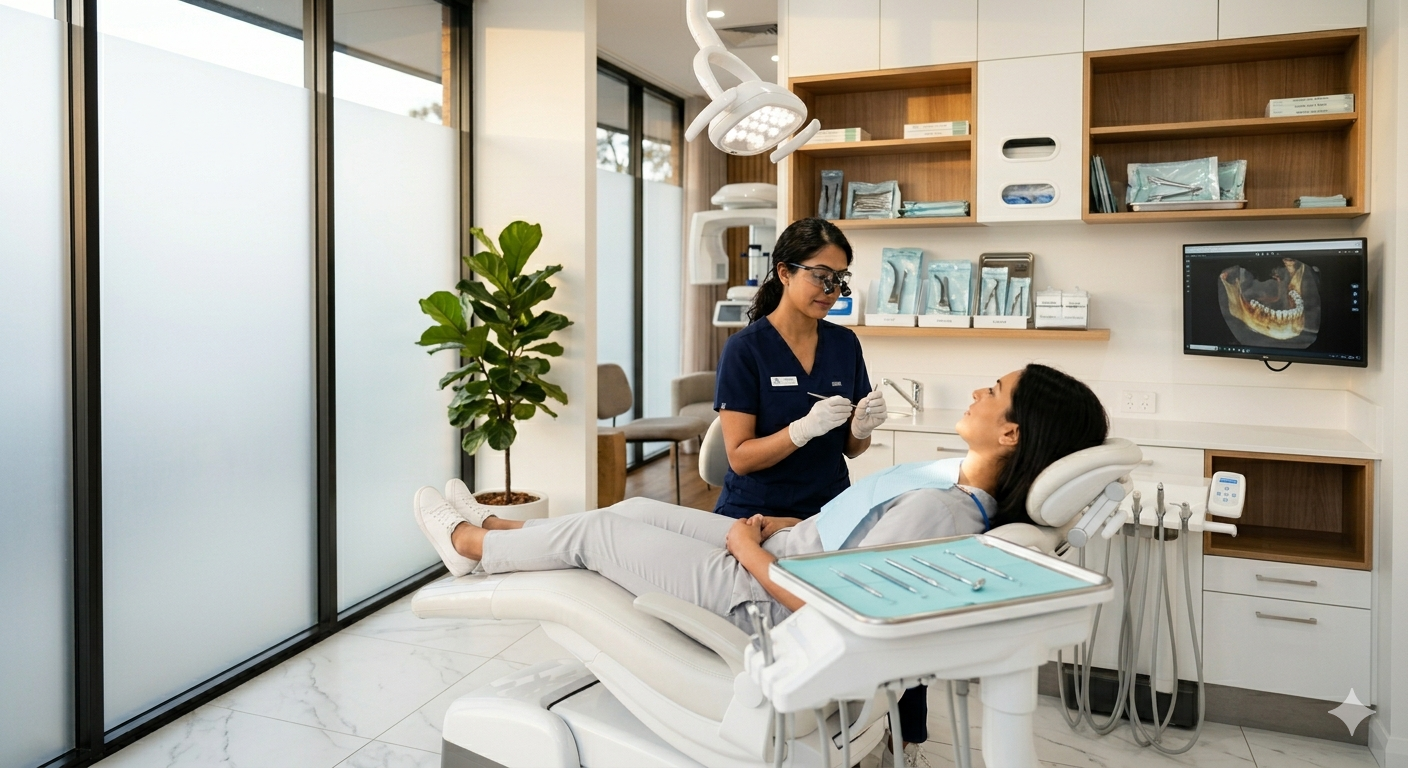
Dental implants in Southern Indiana offer a reliable solution for those missing one or more teeth. They function like natural teeth, providing a secure and long-lasting way to restore your smile and improve chewing ability. Many patients find implants to be more comfortable and stable compared to dentures or bridges.
Local dental professionals use the latest technology to ensure the implant process is as smooth and comfortable as possible. From initial consultation to aftercare, they focus on personalized treatment plans designed to fit each patient’s needs and lifestyle.
If someone is considering dental implants, understanding the basics and what to expect can make the decision easier. Talking to a trusted local dentist can help answer questions and create a roadmap for better oral health.
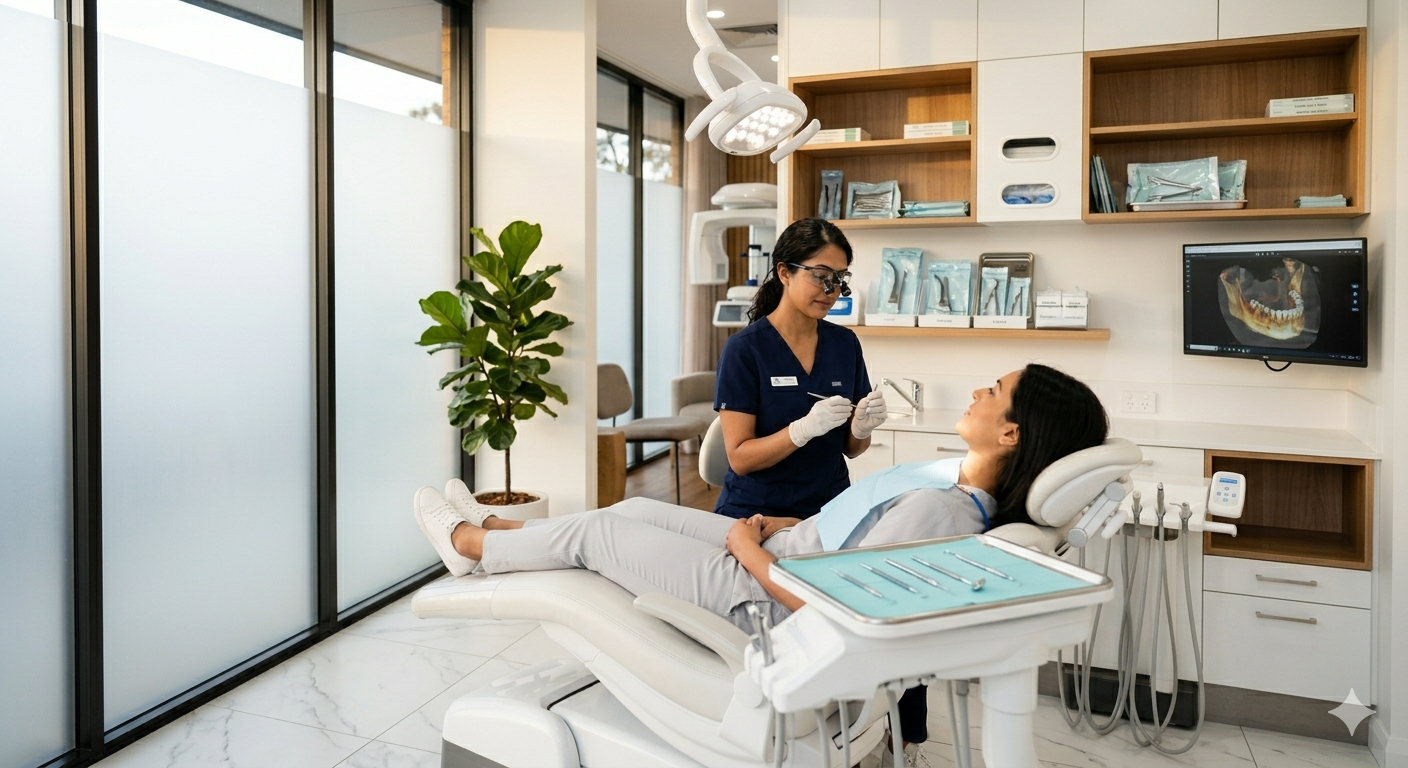
Dental implants are titanium posts surgically placed into the jawbone to support replacement teeth. They act as strong roots for artificial teeth, offering a stable and lasting solution for missing teeth.
These implants fuse with the bone, providing a secure base for crowns, bridges, or dentures. The following details explain how they work, the types available, and how they compare to other replacement options.
Dental implants begin with titanium posts inserted into the jawbone during a minor surgical procedure. Over several months, a process called osseointegration occurs, where the bone grows tightly around the implant, securing it firmly.
Once the implant is stable, an abutment attaches to it, serving as the connector for the artificial tooth. Finally, a custom-made crown, bridge, or denture is fixed, restoring the appearance and function of natural teeth.
This method mimics tooth roots, preventing bone loss and maintaining facial structure while delivering strong chewing ability and a natural feel.
The main types of dental implants include endosteal and subperiosteal implants. Endosteal implants are the most common, placed directly into the jawbone and used for single or multiple tooth replacements.
Subperiosteal implants sit on top of the jawbone but beneath the gumline, typically used for patients with insufficient bone height who cannot undergo bone grafting.
Implants can support different restorations such as:
The choice depends on the patient’s bone health, number of missing teeth, and overall oral condition.
Compared to dentures and dental bridges, implants provide superior stability and durability. Dentures can slip or cause discomfort, while bridges rely on adjacent teeth, which may weaken them.
Implants preserve jawbone health by stimulating natural bone, reducing the risk of bone loss over time. Bridges and dentures do not offer this benefit and may contribute to bone deterioration.
While implants usually cost more upfront, they often last longer and require fewer adjustments. They deliver a more natural look and feel, improving confidence and chewing ability.
Patients considering tooth replacement should discuss these options with their dentist to find the best balance of comfort, function, and cost.
Dental implants offer a practical and reliable way to replace missing teeth with advantages that extend beyond just looks. They provide a secure fit, lasting results, and support for overall oral health that traditional dentures or bridges may not deliver.
Dental implants closely mimic natural teeth in appearance and function. This means patients regain a natural-looking smile without worrying about slipping or clicking, which often happens with dentures. Implants allow for normal chewing and speaking, helping patients feel more confident in social and professional settings.
Because they are anchored directly into the jawbone, implants feel stable and comfortable. This stability means people can enjoy their favorite foods without restrictions. Restoring both aesthetics and function plays a big role in boosting self-esteem.
Implants are designed to be a long-term solution. With proper care, they can last several decades—often a lifetime—unlike dentures that may need frequent replacement or adjustment. The titanium posts fuse with the jawbone through a process called osseointegration, creating a strong and durable foundation.
This durability reduces the need for ongoing repairs or replacements, which can save Southern Indiana patients time and money in the long run. Regular dental check-ups and good oral hygiene are important to maintain implant health and prevent complications.
Unlike traditional bridges, implants don’t require grinding down healthy neighboring teeth. This preserves the natural tooth structure. Also, implants help prevent bone loss by stimulating the jawbone, which often diminishes after tooth loss.
Maintaining bone density supports facial structure and helps avoid the sunken, aged appearance that can occur with missing teeth. Dental implants also make daily oral hygiene easier since they act like natural teeth, allowing for regular brushing and flossing without extra steps or special devices.
Finding out if dental implants are the right choice depends on several key factors. These include the condition of a person’s gums and bone, their overall medical background, and lifestyle habits. Understanding these helps determine who will benefit most from this treatment.
Healthy gums and sufficient jawbone density are essential for dental implants to be successful. If gum disease is present, it must be treated before implants can be placed to avoid infection or implant failure.
Bone loss is common after tooth loss, so often a CT scan or X-ray is needed to evaluate how much bone remains. In cases where bone is insufficient, procedures like bone grafting can rebuild the area to support implants.
Dentists look for firm, thick bone tissue and healthy gum lines during the consultation. Good oral hygiene and regular dental visits help maintain this condition both before and after implant placement.
Certain health conditions might affect healing after dental implant surgery. Diabetes, autoimmune disorders, and osteoporosis are examples that need careful evaluation by the dentist and possibly a doctor.
Medications such as blood thinners or bisphosphonates can also influence the procedure’s timing and success. Smoking and uncontrolled chronic illnesses increase the risk of complications.
A thorough medical history is reviewed to ensure the patient’s body can integrate the implant properly. In some cases, additional medical clearance or specialized care is advised to improve outcomes.
There is no strict age limit for dental implants, but candidates should have fully developed jawbones. For adults of any age in good health, implants are often a viable solution.
Lifestyle habits like smoking can slow healing and increase risks of implant failure. Patients who commit to quitting or reducing smoking during the healing phase improve their chances considerably.
Maintaining a balanced diet and following post-surgery care instructions are important. Regular dental check-ups and personal oral hygiene also play a crucial role in keeping implants healthy long-term.
Dental implants involve carefully planned steps to restore missing teeth with natural-looking results. From the first visit to placement and healing, each phase is designed for comfort and success.
During the initial consultation, the dentist evaluates oral health and the jawbone’s condition using X-rays or 3D scans. This assessment determines if the patient has enough bone to support the implant or needs a bone graft first.
The dentist discusses medical history, lifestyle habits, and the patient’s goals. They create a personalized treatment plan, explaining the timeline and what to expect in each stage. This step ensures patients feel informed and comfortable before proceeding.
The implant placement is a minor surgical procedure performed under local anesthesia. The dentist inserts a titanium post into the jawbone where the missing tooth root used to be.
This post acts as a stable foundation for the new tooth. The procedure typically takes about one hour per implant, with some swelling or minor discomfort afterward. Most patients find the surgery straightforward and experience manageable recovery.
After placement, the implant needs time to fuse with the jawbone in a process called osseointegration. This healing phase can take from three to six months, depending on individual factors.
During this time, patients should maintain excellent oral hygiene and attend follow-up visits. Dentists may provide temporary restorations to protect the area and keep smiles looking natural while healing occurs.
Once the implant is fully integrated, the dentist attaches an abutment to secure the crown. The crown is custom-made to match the color, shape, and size of surrounding teeth for a natural appearance.
This final step restores full function, allowing patients to chew and smile confidently. The dentist explains care tips to ensure the implant lasts many years with routine dental visits.
Patients visiting Southern Indiana implant centers often find a blend of advanced technology and personalized care that eases the entire process. From the first consultation to follow-up visits, the experience focuses on comfort and tailored treatment.
Southern Indiana implant centers use state-of-the-art tools like 3D imaging and computer-guided surgery. These technologies help in creating precise implant placements, reducing surgery time and minimizing risks. For example, digital scans replace traditional molds, making the process quicker and more comfortable.
The use of laser dentistry and minimally invasive methods means less pain and faster healing. Many centers also offer same-day implants or teeth-in-a-day options, which speed up recovery and reduce the usual wait time between procedures. This level of precision and efficiency directly benefits patients by improving the predictability of successful outcomes.
Each patient receives a treatment plan tailored to their unique dental needs and lifestyle. Staff members take time to explain every step, answer questions thoroughly, and address anxieties related to implants.
Comfort measures such as sedation options or calming office environments help ease dental anxiety. Follow-up care is also a priority, with clear instructions and support to ensure smooth healing. This attentive approach makes patients feel supported and respected throughout their implant journey.
Dental implant prices in Southern Indiana vary depending on several elements like the type of implant and individual patient needs. Understanding what influences these costs and the available payment options can help patients plan their treatment more comfortably.
The total cost of dental implants depends on implant type, number of teeth replaced, and bone health. A single implant might cost between $1,800 and $3,500, but additional procedures like bone grafting or sinus lifts can raise this price.
The skill and experience of the dental specialist also affect prices. Clinics that use advanced technology or premium materials might charge more. Location matters too; urban areas near cities like Evansville or Bloomington may have slightly higher fees compared to smaller towns.
It’s important to consider follow-up care costs, such as implants maintenance and adjustments, which can add to the overall investment. Patients should request detailed quotes to understand all included services.
Most dental insurance plans do not fully cover implants but might pay for some related services like X-rays or extractions. Patients should check with their providers to clarify coverage limits and out-of-pocket expenses.
Many Southern Indiana dental offices offer payment plans or third-party financing through companies like CareCredit. These options break down the cost into manageable monthly payments, making implants more accessible without compromising care quality.
Some clinics also provide in-house financing or discounts for upfront payment. Asking about all available financial options can help patients find a comfortable solution, ensuring they receive the treatment they need without undue stress.
Proper care is essential to keep dental implants healthy and functioning well. Paying close attention to daily habits and regular dental visits helps prevent issues like infection and implant failure.
Dental implants need almost the same care as natural teeth. Brushing twice a day with a soft-bristle toothbrush is crucial to remove plaque without damaging the implant surface. Using a low-abrasive toothpaste helps maintain the implant’s integrity.
Flossing daily around the implant prevents buildup between teeth and under the gumline. Special floss or interdental brushes designed for implants can make this easier and more effective. Rinsing with an antimicrobial mouthwash can reduce bacteria and protect tissue health.
Avoid chewing hard foods, such as ice or nuts, which could stress the implant or surrounding bone. Staying hydrated and maintaining a balanced diet also supports gum health around the implant.
Regular check-ups every six months are important to monitor the implant’s stability and check for signs of inflammation or bone loss. A dental professional uses special instruments to clean implants safely without scratching their surface.
During these visits, X-rays may be taken to assess bone levels and ensure the implant is firmly anchored. The dentist or hygienist will also examine the surrounding gum tissue and recommend adjustments to home care if needed.
Professional cleanings remove hard-to-reach plaque and tartar that brushing and flossing miss. Early detection of any problems can prevent more serious complications, making these visits a key part of implant longevity.
Finding a skilled and caring dentist can make all the difference when considering dental implants. It’s important to focus on both professional qualifications and the relationship built with the dental team to ensure comfort and success.
A dentist performing dental implants should have specialized training in implant dentistry or oral surgery. Look for certifications like American Board of Oral Implantology or membership in organizations such as the American Academy of Implant Dentistry. These indicate advanced knowledge and commitment to staying current with implant techniques.
Experience matters, too. Dentists who have completed many implant procedures usually have refined their skills and can better handle unexpected issues. Ask about the number of implants they have placed or if they offer digital technology like 3D imaging, which improves planning accuracy and outcomes.
Trust grows from open communication and a gentle approach. A good implant dentist in Southern Indiana listens carefully to concerns and explains every step clearly. Patients should feel comfortable asking questions about the procedure, recovery, and costs without feeling rushed.
Additionally, look for a dental office with a friendly staff and a clean, welcoming environment. Follow-up care is critical after implants, so a team that offers ongoing support and regular checkups helps build confidence throughout the entire process.
Dental implants in Southern Indiana offer a reliable option for those looking to restore their smile and improve oral function. Patients benefit from advanced techniques that prioritize comfort and long-term health.
If someone is considering implants, the next step is a consultation with a local dental specialist. During this visit, the dentist will assess bone health, discuss treatment options, and address any questions or concerns.
Here are a few key points to keep in mind:
It’s important to address any dental issues early. Untreated problems may affect implant success or overall oral health. Patients should feel comfortable asking about sedation options, recovery timelines, and cost.
A friendly dental team in Southern Indiana is ready to guide patients through every step — from evaluation to aftercare — making the experience as smooth as possible. Encouraging a visit for a thorough exam and discussion can help people take control of their dental health with confidence.
Dental implants involve several steps and decisions, from assessing eligibility to understanding costs and treatment types. Knowing the timeline and what to expect can help patients feel more prepared and comfortable.
Patients with a history of gum disease or bone loss can still be candidates for dental implants. Often, additional procedures like bone grafts or gum treatments are recommended first to create a healthy foundation.
Dentists will evaluate bone density and gum health before proceeding. Proper oral care after treatment is crucial to maintain long-term success.
Dental implant costs vary widely but usually range from $3,000 to $5,000 per implant. This includes the implant, abutment, and crown but can increase with additional treatments like bone grafting.
Many practices offer financing plans or work with third-party lenders to make payments manageable. Insurance may cover parts of the procedure but often not the full cost.
A single implant replaces one missing tooth with an implant and crown. An implant-supported bridge uses two or more implants to replace several teeth in a row without needing individual implants for each tooth.
Implant-supported dentures snap onto implants for better stability and comfort than traditional dentures. They are removable or fixed depending on the design.
The entire process typically takes 3 to 6 months. This includes initial consultation, implant placement, healing time for osseointegration, and finally, placing the crown or denture.
Patients can expect around 4 to 6 visits, depending on bone health and any additional procedures.
People with autoimmune conditions can safely receive dental implants with proper medical clearance. Treatment plans may be adjusted to reduce infection risk and monitor healing closely.
Coordination between the dentist and the patient’s physician is important to manage medications and overall health.
Following pre-surgery instructions, such as avoiding certain medications or fasting, helps prepare the body. After surgery, using ice packs and taking prescribed pain medication can reduce discomfort.
Soft foods and gentle oral hygiene will support healing. Staying hydrated and attending follow-up visits ensure smooth recovery.
If you have more questions or want to discuss your options, a consultation with a trusted dentist in Southern Indiana can provide personalized answers.