
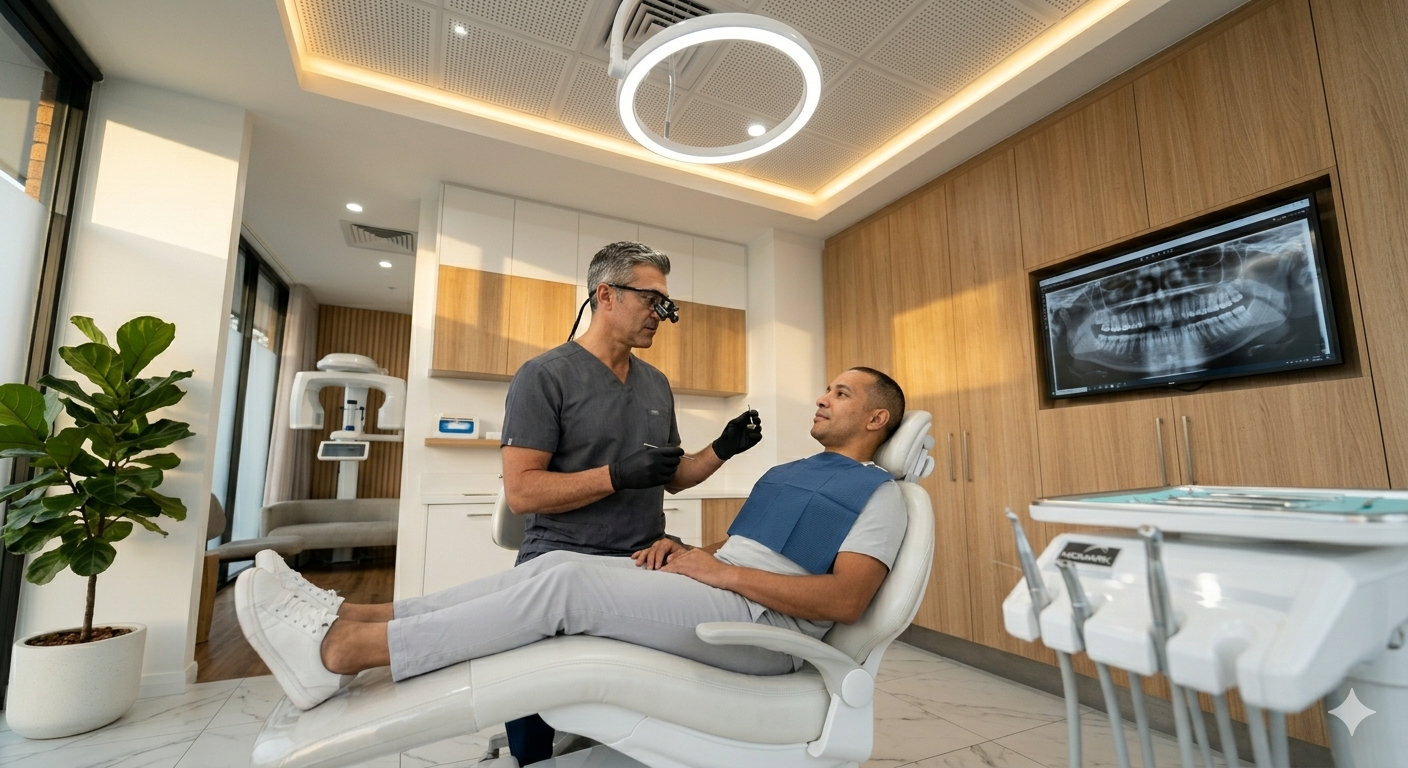
If someone in Sellersburg, IN, is considering dental implants, they’ll find expert care close to home. Dental implants offer a reliable and lasting solution for missing teeth by acting like natural tooth roots, providing both strength and stability. This option helps restore smiles and improves everyday functions like chewing and speaking.
Local dental professionals focus on patient comfort and use modern techniques to make the implant process smooth and efficient. They guide patients through every step, answering questions and personalizing care to fit individual needs.
For those curious about dental implants in Sellersburg, understanding the benefits and realistic expectations is key. Scheduling a consultation with a trusted local dentist can clarify options and help take the next step toward a healthier smile.
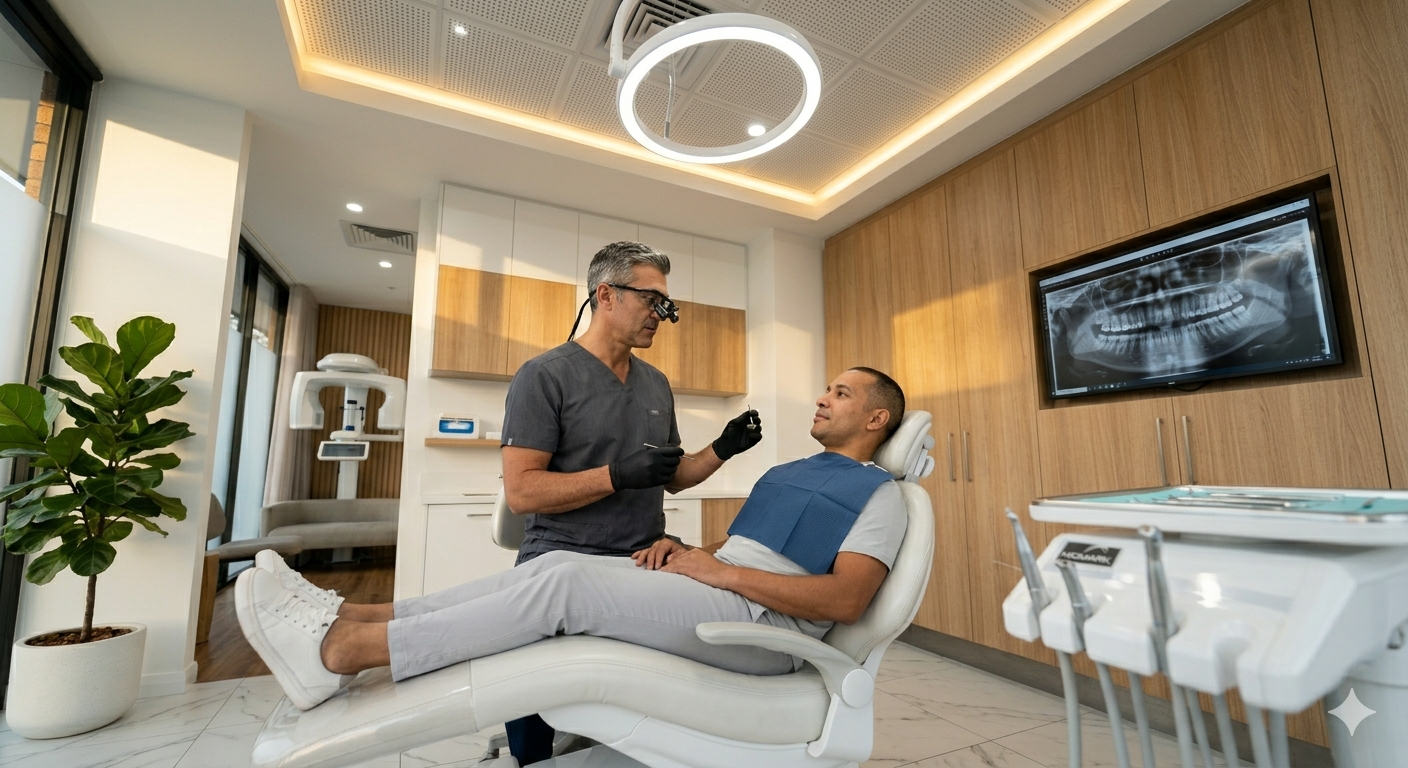
Dental implants offer a reliable way to replace missing teeth, combining durability with natural appearance. They consist of several parts, each with a specific role, and come in different types tailored to various dental needs.
Dental implants are artificial tooth roots made of titanium or similar materials, inserted into the jawbone. They provide a sturdy base for attaching replacement teeth such as crowns, bridges, or dentures. Unlike traditional dentures, implants are fixed securely, preventing slipping or discomfort.
Because the implant integrates with the bone through a process called osseointegration, it helps maintain jawbone health and prevents bone loss often caused by tooth absence. This integration also allows implants to withstand biting forces like natural teeth, offering strong and lasting support.
The process begins with a thorough dental evaluation, including imaging to assess bone condition. Then, the implant is surgically placed into the jawbone under local anesthesia, ensuring patient comfort throughout.
After placement, a healing period of a few months allows the implant to fuse with the bone. Once stable, an abutment is attached to the implant, which connects to the final dental restoration such as a crown or bridge. This layered approach mimics natural tooth structure, restoring both function and appearance.
There are several types of dental implants, each suited for specific situations:
Within these categories, implants vary in size, shape, and surface treatments to enhance healing and durability. Selecting the right type depends on factors like bone quality, number of missing teeth, and overall oral health.
Dental implants offer practical solutions that enhance daily life and support long-term oral health. They restore essential functions, boost confidence, and help maintain the structure and health of the mouth over time. Patients often find implants to be a reliable, comfortable alternative compared to traditional dentures or bridges.
Dental implants function like natural tooth roots, anchoring replacement teeth firmly in the jawbone. This stability allows patients to chew a wide range of foods without worry, from crunchy vegetables to tougher meats. Unlike dentures, implants don’t slip or move, which means speaking clearly and confidently becomes easier.
With a secure fit, implants prevent the frustration of food slipping around or difficulty pronouncing certain words. Many patients report improved comfort because implants avoid pressure on gums, common with removable dentures. These benefits make everyday activities like eating and talking much more enjoyable and less stressful.
Implants look like real teeth because they are custom-made to blend with the patient’s natural smile. Their design preserves facial structure, preventing the sunken look often caused by missing teeth. As a result, patients typically experience a boost in self-esteem and feel more comfortable in social situations.
Unlike removable options, implants don’t require adhesives or cause visible gaps. This means no awkward moments worrying about teeth shifting in front of others. The natural appearance paired with lasting durability helps people regain a youthful and confident smile.
One key advantage of implants is their ability to maintain jawbone health. When a tooth is lost, the bone in that area can shrink over time. Implants stimulate the bone similarly to natural teeth, preventing this resorption. This helps maintain the shape of the face and overall oral structure.
Additionally, dental implants do not rely on neighboring teeth for support. This means healthy teeth are left intact instead of being filed down for bridges. Implants also reduce the risk of gum disease in adjacent teeth by filling gaps where bacteria could gather. These factors contribute to better oral health and fewer dental problems later on.
Getting dental implants in Sellersburg involves clear steps designed to ensure patient comfort and lasting results. The process begins with a thorough evaluation and follows a carefully planned timeline tailored to individual needs. Personal attention is key, as providers adjust treatments based on each patient’s oral health and lifestyle.
The first visit focuses on understanding the patient’s dental history, current health, and specific needs. The dentist performs detailed imaging, such as X-rays or 3D scans, to evaluate bone density and the jaw structure. This helps determine if the patient is a good candidate for implants or if additional procedures like bone grafting are necessary.
During this assessment, potential risks and benefits are explained clearly. The dentist also discusses options regarding implant type, placement, and restoration. This is an opportunity for patients to ask questions and share any concerns, setting the stage for personalized care.
Once approved, the implant treatment follows several stages. First, the titanium implant is surgically placed into the jawbone under local anesthesia. After surgery, a healing period of 3 to 6 months allows the implant to fuse with the bone, a process called osseointegration.
Next, an abutment is attached to the implant, serving as the anchor for the artificial tooth. After the gum heals around the abutment, the final crown is custom-made and placed. Throughout this timeline, follow-up visits ensure proper healing and adjustment, focusing on comfort and function at every step.
Dental implant providers in Sellersburg emphasize customizing treatment plans to fit each patient’s unique circumstances. They consider factors like age, bone quality, lifestyle habits, and budget. This personalized approach helps achieve not only a natural-looking result but also promotes long-term oral health.
Patients receive clear aftercare instructions to support healing and prevent complications. Regular check-ups are scheduled to monitor implant stability and address any issues early. This warm, patient-focused care aims to make the dental implant journey as smooth and reassuring as possible.
Patients in Sellersburg, IN, can expect a focus on comfort and safety throughout their dental implant journey. Careful attention to technology, pain control, and emotional support all work together to create a calm and secure experience.
Dental offices in Sellersburg use advanced imaging tools like 3D cone beam CT scans to map the jaw with precision before placing implants. This technology helps dentists plan the procedure carefully, avoiding nerves and sinuses, which reduces risks and improves results.
Computer-guided implant placement allows for minimal invasion and faster healing. Sterilization protocols meet strict safety standards to keep the environment clean and free of infection. Together, these technologies create a safer, more efficient procedure.
Local anesthesia is standard during dental implant surgery, numbing the area completely so patients feel little to no pain. Dentists may also offer sedation options, such as oral sedation or IV sedation, to help patients relax further.
Post-surgery, pain is usually manageable with over-the-counter medications. Providers give clear instructions on pain relief and what to expect, ensuring patients stay comfortable during recovery.
Many dental offices recognize that fear of dental work can be a barrier to care. They often provide calm, supportive environments with friendly staff trained to ease anxiety.
Techniques include explaining each step clearly, allowing breaks during procedures, and offering sedation choices tailored to the patient’s comfort level. This approach helps even the most nervous patients feel more at ease and confident throughout treatment.
Maintaining dental implants requires consistent care and awareness of the healing process. Proper habits protect implant health and support a smooth recovery. Long-term success depends on both daily routine and mindful habits.
Brushing twice a day with a soft-bristled toothbrush is essential for keeping implants free from plaque. Patients should use non-abrasive toothpaste to avoid scratching the implant surface.
Flossing carefully around the implant site helps prevent gum inflammation. Special floss designed for implants or interdental brushes can reach areas a regular toothbrush might miss.
Rinsing with an antimicrobial mouthwash once daily can reduce bacterial buildup. Avoid hard or sticky foods that could damage the implant or surrounding tissue during the early healing stage.
The first few days after implant surgery usually involve mild swelling and discomfort, which can be managed with prescribed pain relievers. Some bleeding or bruising around the gums is common and should subside within a week.
Patients are advised to eat soft foods and avoid smoking to promote healing. It’s important to follow the dentist’s instructions closely, especially regarding cleaning routines and medication.
Most individuals resume normal activities in a few days but should avoid strenuous exercise for at least a week. Follow-up appointments ensure the implant integrates well with the bone.
Regular dental check-ups are vital to monitor implant health. Professionals will examine the implant, gums, and bone to catch any early signs of trouble.
Wearing a nightguard is recommended for those who grind their teeth, as excessive pressure can damage implants. Avoid using teeth as tools for opening packages or biting nails to reduce unnecessary strain.
Maintaining overall oral hygiene and a balanced diet supports implant longevity. If any discomfort or changes occur, patients should consult their dental provider promptly to address issues before they worsen.
Choosing the right tooth replacement involves understanding how each option affects comfort, durability, and appearance. It’s important to weigh these factors carefully to find a solution that fits daily life and long-term oral health.
Dental implants are fixed to the jawbone, providing a stable, long-lasting tooth replacement. They closely mimic the feel and function of natural teeth. Implants do not slip or require adhesives, offering greater confidence while eating or speaking.
Dentures, on the other hand, are removable and often less expensive initially. They rest on the gums and may need adjustments over time due to bone loss. While modern dentures can look natural, they might feel bulky or uncomfortable for some patients.
Additionally, implants help preserve jawbone density by stimulating bone growth. Dentures do not offer this benefit, which can lead to changes in facial structure and fit problems over time.
Dental implants replace a single tooth without affecting neighboring teeth. The implant post integrates with the jawbone, acting as an independent root. This approach typically preserves surrounding teeth and oral health better.
Dental bridges, however, rely on adjacent teeth for support. These teeth must be filed down to hold the bridge, which can weaken them and increase risk of decay. Bridges also do not prevent bone loss in the area of the missing tooth.
Bridges usually require a shorter treatment time and lower upfront cost compared to implants. Yet, implants offer a longer lifespan and easier cleaning since they can be brushed and flossed like natural teeth.
The price of dental implants can vary widely, depending on several factors such as the type of implant and the complexity of the procedure. Understanding what influences the cost and how to manage payments can help patients plan their treatment without stress.
Several elements determine the overall cost of dental implants in Sellersburg, IN. The number of implants needed plays a big role—single implants cost less than full-mouth restoration. Bone grafts or sinus lifts, which may be necessary to prepare the jawbone, add to the expense.
Material quality is also important; titanium implants tend to cost more but offer durability. The dentist’s experience and the facility’s technology level can impact prices, too, with advanced imaging or guided surgery typically adding cost.
Patients should keep in mind that pricing often includes the implant, abutment, crown, and follow-up visits, but these parts can be billed separately. Getting a detailed quote before starting treatment can avoid surprises.
Most dental insurance plans do not fully cover implants, but some may pay a portion for related procedures, like extractions or crowns. Patients should check with their provider to understand what’s covered under their specific plan.
Many dental offices in Sellersburg offer flexible payment plans to spread out costs over time. Options can include low-interest financing or monthly payment arrangements. These plans make treatment more accessible without a large upfront payment.
Some practices also work with third-party lenders specializing in healthcare financing. Patients are encouraged to discuss financial concerns openly with their dentist, who can recommend the best plan for their budget.
Finding the right dental implant provider in Sellersburg starts with credentials. Look for dentists who are experienced and have specific training in implant dentistry. This ensures they understand the procedure well and can handle any issues that might arise.
Patient comfort is also key. A good provider will explain each step clearly and listen to concerns. They often use advanced technology to make the process smoother and less painful.
Here are some factors to consider:
Visiting a dentist who focuses on preventive care can help keep your implants healthy long-term. Regular check-ups and cleanings are part of their ongoing support.
Choosing someone local in Sellersburg means easier follow-ups. It also allows the dentist to develop a relationship with the patient, understanding their unique needs better.
Encourage making a list of questions before the first visit. This can help patients feel more confident and prepared to discuss treatment options.
After deciding on dental implants in Sellersburg, the first step is scheduling a consultation with a trusted implant specialist. During this visit, they will evaluate oral health and discuss your goals to create a personalized treatment plan.
Impressions and scans are often taken to prepare for the implant procedure. This helps ensure a precise fit for the posts and crowns, making your new smile feel natural and comfortable.
The implant placement usually involves minor surgery under local anesthesia, so patient comfort is a priority. Healing time varies but often takes a few months for the implant to fuse with the jawbone.
Once healed, a custom-made crown is attached to the implant. This restoration looks and functions like a natural tooth, allowing normal eating, speaking, and smiling again.
Patients should maintain good oral hygiene and attend regular check-ups to protect their investment. Dentists often recommend brushing twice daily, flossing, and possibly using special tools to clean around implants.
Key next steps at a glance:
| Step | What to Expect |
|---|---|
| Consultation | Personalized plan and oral evaluation |
| Imaging & Impressions | Accurate measurements for implant fitting |
| Implant Placement | Minor surgery with healing time |
| Crown Attachment | Final restoration and smile restoration |
| Ongoing Care | Regular hygiene and dental visits |
Encourage anyone considering implants to ask questions and share concerns during the consultation. It’s a team effort toward a confident, healthy smile.
Dental implants involve several important considerations, from who qualifies to costs and the step-by-step procedure. Understanding the healing process, pain management, and whether to consult a specialist can help patients feel more confident about the treatment.
Patients with gum disease or bone loss may still qualify for implants, but these conditions often require treatment first. Gum disease should be managed to ensure a healthy foundation, and bone grafting might be necessary to support the implant.
The average cost of a single dental implant in Sellersburg, IN, ranges from $3,000 to $5,000. Factors like the need for bone grafts, additional procedures, and the type of implant used can increase the overall price.
The process starts with a thorough exam and imaging to plan the implant. Next, the implant is surgically placed into the jawbone. After a healing period, a custom crown is attached to complete the restoration.
Healing generally takes three to six months for the implant to fully integrate with the bone. Patients may experience mild swelling and discomfort, which typically subsides within a week.
Most patients report minimal pain during and after the procedure. Dentists offer local anesthesia, sedation options, or nitrous oxide to ensure a comfortable experience throughout the surgery.
If there’s tooth pain but the tooth might be saved, a general dentist or an endodontist for root canal therapy is the best starting point. If the tooth cannot be saved, the implant becomes a viable option.