
You may face a sudden toothache, a broken tooth, or bleeding that won’t stop — and knowing where to turn in Sellersburg, IN matters. If you need urgent help, contact a local emergency dentist who can provide same-day care, pain control, and a clear plan to save teeth or stabilize your condition.
This article guides you through when to seek urgent dental care, what treatments to expect, and how modern clinics make emergency visits as comfortable and efficient as possible. You’ll learn practical steps to protect your smile now and choose the right local dentist for follow-up care.
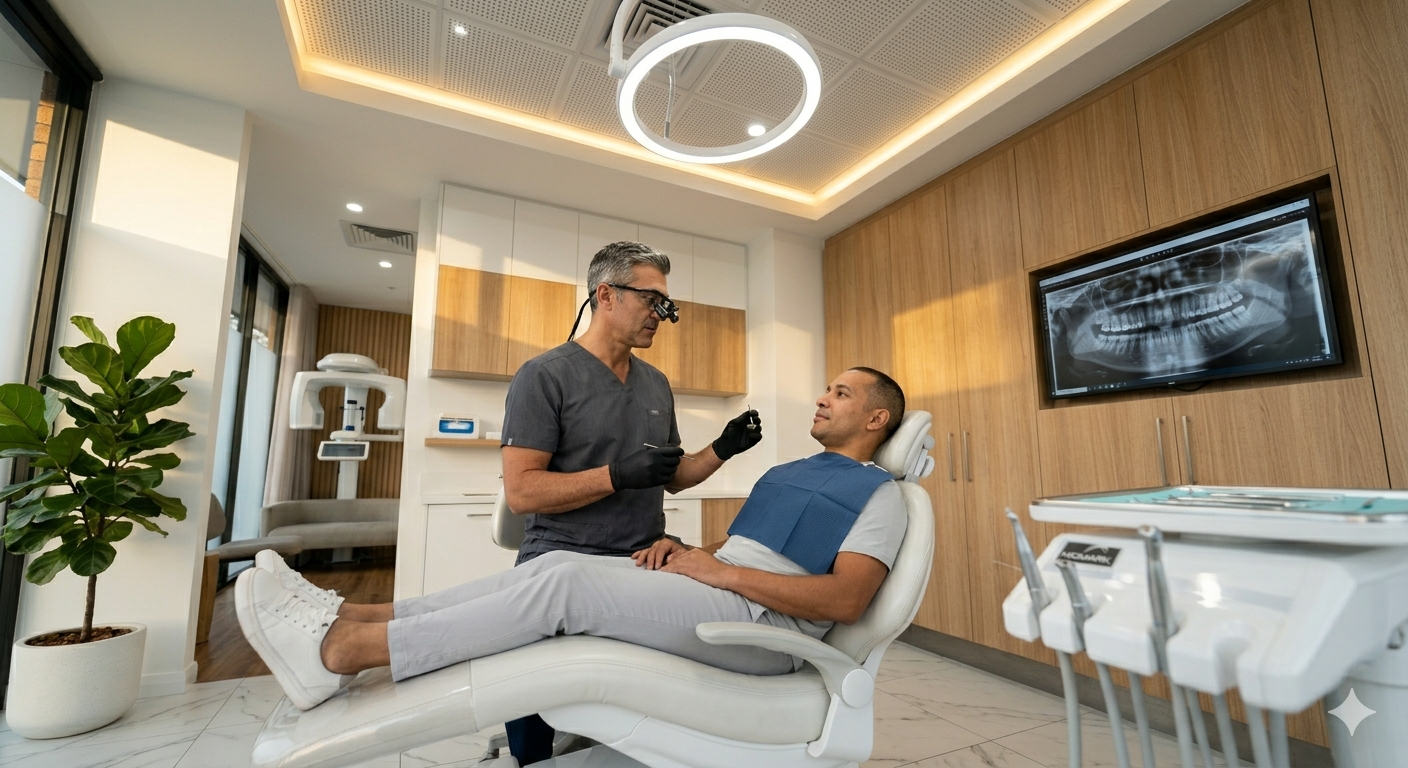
Patients should act quickly for injuries, severe pain, or signs of infection that threaten teeth, mouth function, or overall health. Prompt care often preserves teeth, reduces infection risk, and speeds recovery.
A dental emergency includes any situation causing severe pain, uncontrolled bleeding, or visible trauma to teeth or jaw. Examples: a tooth knocked out by a fall, a fractured tooth exposing the pulp, or facial swelling that makes swallowing or breathing difficult.
If an adult’s permanent tooth is avulsed, it can often be saved if replanted within an hour; keep it moist in milk or saline and see a dentist immediately.
Jaw injuries with misalignment, loose teeth after trauma, or a bite that no longer fits together need urgent evaluation to rule out fractures.
For children, prolonged bleeding after dental injury or loss of a baby tooth with root exposure requires same-day attention to prevent complications.
Severe, persistent toothache that wakes a patient at night or resists over-the-counter analgesics may indicate a spreading infection or an abscess. Fever plus localized facial swelling suggests infection that can spread to deeper tissues and needs urgent treatment.
Continuous bleeding after an extraction or oral surgery that soaks through gauze within an hour demands immediate clinic care or emergency attention.
Sudden numbness, tingling, or difficulty moving parts of the face can signal nerve injury or serious infection and should not be delayed.
Loose permanent teeth without obvious recent trauma often reflect advanced periodontal disease or abscess and should be assessed quickly to save the tooth.
Call the dental office immediately and describe the situation: time of injury, symptoms, medical conditions, medications, and allergies. This helps the team prepare pain control, imaging, or an exam room on arrival.
For a knocked-out tooth, handle it by the crown only, rinse briefly if dirty, and try to reinsert it gently if the patient is conscious and cooperative. Otherwise, store the tooth in milk, saline, or the patient’s saliva and bring it in.
Control bleeding with firm pressure using sterile gauze or a clean cloth; maintain an upright position and avoid vigorous rinsing. For swelling, apply cold compresses in 10-minute intervals to reduce inflammation.
Bring a list of current medications and insurance information, and arrive as soon as possible to increase chances of tooth preservation and limit infection spread.
This section explains common urgent services available at dental clinics, focusing on immediate steps, typical procedures, and what patients should expect during treatment.
Tooth pain often signals infection, fracture, or exposed nerve tissue. Dentists perform a focused exam, take X-rays, and determine whether the pain stems from pulpal inflammation, an abscess, or referred pain from sinus or jaw problems.
Immediate care usually includes pain control and infection management. Providers may prescribe analgesics or antibiotics, perform a pulpectomy or partial root canal to relieve pressure, or place a temporary filling to seal a sensitive area. Local anesthesia controls pain during treatment.
Follow-up planning emphasizes definitive care within days. That may involve a full root canal and crown, extraction if the tooth is non-restorable, or periodontal therapy when gum disease contributes to pain. Clear home-care instructions are given for swelling and pain control.
For a fractured tooth, dentists assess the extent—enamel only, dentin exposure, or pulp involvement. Small chips often receive bonding or composite repair the same day, while deeper fractures may require a crown or root canal.
A completely avulsed (knocked-out) permanent tooth requires immediate action: handle by the crown, rinse gently, and attempt replantation within 30–60 minutes if possible. If replantation isn’t feasible, store the tooth in milk or a tooth-preservation kit and see the dentist immediately.
For children with primary tooth trauma, replantation is usually avoided. The dentist evaluates X-rays, monitors for root development issues, and may use splinting when appropriate. Post-treatment care includes soft diet, chlorhexidine rinses if indicated, and short-term follow-up imaging.
A missing filling or crown exposes dentin and can cause sensitivity, food trapping, and decay progression. The urgent goal is to protect the tooth and reduce discomfort, often with a temporary filling or cementing of the crown if it’s intact.
Dentists inspect for recurrent decay or fracture beneath the restoration. If the original crown fits and the margins are sound, the provider may recement it after cleaning. If the restoration is damaged or decay is extensive, they recommend a new crown or onlay.
Home guidance covers avoiding sticky or hard foods, using dental wax to cover sharp edges, and taking OTC pain relief if needed. Scheduling definitive restoration within one to two weeks helps prevent further breakdown and reduces the chance of root canal therapy.
Patients receive prompt assessment, pain relief measures, and a clear plan for treatment or follow-up. Staff prioritize comfort, explain each step, and provide practical aftercare instructions to speed recovery.
Upon arrival, administrative staff confirm insurance and medical history, then triage begins immediately. A dental assistant collects details about pain location, onset, and any swelling or bleeding.
The dentist performs a focused oral exam and often takes digital X-rays to pinpoint fractures, root issues, or abscesses. Expect a candid explanation of findings and treatment options, such as extraction, root canal, or temporary stabilization.
Pain management starts quickly: topical anesthetic for soft tissue, local anesthesia for procedures, and short-term prescriptions for severe pain or infection when needed. If the issue requires referral (oral surgeon, ER for facial trauma), staff coordinate the transfer and provide records.
Clinics use modern numbing techniques and sedation options tailored to anxiety and procedure complexity. For mild anxiety, nitrous oxide (laughing gas) offers fast onset and quick recovery; for more complex cases, oral sedatives or IV sedation may be available.
Dental teams employ gentle positioning, warm blankets, and noise-reducing headphones to minimize discomfort. They explain each instrument and step before use so patients know what to expect and feel more in control.
Communication remains continuous: staff check pain levels during treatment and adjust anesthesia if needed. For patients with dental fears, the office typically offers pre-visit phone consultations and relaxation strategies to reduce overall stress.
After treatment, patients receive written and verbal instructions covering pain control, oral hygiene, diet, and signs of complications. Typical recommendations include: take prescribed antibiotics or analgesics as directed, apply ice packs for swelling (20 minutes on, 20 off), and stick to soft foods for 24–72 hours.
Wound care details include avoiding vigorous rinsing for 24 hours after extractions, gently rinsing with warm salt water beginning the day after surgery, and not using straws to prevent dry socket. The office provides a direct phone number for urgent questions and schedules a follow-up to monitor healing.
If symptoms worsen—fever above 101°F, increasing swelling, persistent bleeding, or uncontrolled pain—patients are instructed to return immediately or visit the nearest emergency department. The clinic documents all care and communicates with primary dentists when appropriate to ensure continuity.
Modern equipment speeds diagnosis and reduces treatment time for urgent dental problems. Digital imaging and conservative instruments let providers identify issues quickly and treat them with less discomfort.
They use digital X-rays and cone beam computed tomography (CBCT) to get clear images in seconds. Digital X-rays reduce radiation by up to 70% compared with film and display on a monitor immediately, which helps the dentist locate fractures, abscesses, or impacted teeth without delay.
Intraoral cameras magnify the problem and let the team show patients exactly what they see. Electronic charting and cloud-based records let clinicians pull prior images and treatment notes within moments, speeding decisions about extractions, root canal therapy, or temporary restorations.
Point-of-care tests, like rapid bacterial assays and pulp vitality meters, provide objective data during the visit. This reduces guesswork and prevents unnecessary procedures, helping the dentist recommend the safest, fastest path to pain relief.
They favor techniques that preserve tooth structure and reduce recovery time. For example, selective caries removal uses magnification and hand instruments to remove only infected dentin while leaving healthy tissue intact, lowering the chance of needing a full crown later.
Laser therapy treats soft-tissue injuries and manages pain and inflammation with less bleeding and faster healing than scalpel work. For fractured or painful teeth, modern adhesive materials allow immediate direct restorations or bonded crowns placed in fewer visits, often under local anesthesia.
When extraction is unavoidable, piezosurgery and surgical motors provide controlled, low‑trauma removal and faster socket healing. Sedation and targeted pain control protocols minimize anxiety and keep emergency care comfortable for patients with high stress or complex medical histories.
Small daily choices and regular professional care reduce the chance of future dental emergencies. Focused habits and timely checkups keep teeth strong, gums healthy, and minor issues from turning urgent.
They should brush twice daily with a fluoride toothpaste for two minutes each time to remove plaque and strengthen enamel. Flossing once a day clears interdental spaces where most cavities begin; interdental brushes work well for wider gaps.
Avoid chewing ice, hard candy, and non-food items like pens to prevent cracked or chipped teeth. Wear a custom-fitted mouthguard for contact sports and a nightguard for grinding to protect restorations and natural teeth. Limit sticky, sugary snacks and acidic drinks; when they are consumed, rinse with water and wait 30 minutes before brushing to avoid enamel wear.
Keep a small emergency kit at home with a soft gauze, sensitivity-safe pain relief, and the dentist’s after-hours number. They should also store dental insurance and recent x-rays digitally for quick access during an emergency.
Patients should schedule exams and cleanings every six months with a local Sellersburg practice; this frequency lets hygienists remove tartar and dentists spot small problems early. During visits, clinicians perform oral cancer screens, periodontal assessments, and bite evaluations that detect risk factors for emergencies.
Digital x-rays and intraoral cameras in modern Sellersburg offices provide precise views of hidden decay and cracks before they escalate. Dentists can apply dental sealants on molars, prescribe high-fluoride gels for weak enamel, or place preventive restorations to avoid urgent care later.
They should contact a Sellersburg emergency dentist promptly if they notice swelling, severe pain, or a knocked-out tooth; early professional action often preserves the tooth and reduces treatment complexity. For questions or to arrange a preventive visit, they can call the local clinic to discuss comfort-focused options and same-day availability.
Patients should prioritize responsiveness, clear communication, and proven emergency experience when selecting a dentist in Sellersburg. Practical details like office hours, insurance acceptance, and proximity matter just as much as clinical skill.
A trustworthy emergency dentist answers calls quickly and offers same-day or after-hours appointments. Look for a practice that lists weekend hours, a dedicated emergency phone line, and staff trained in triage.
Verify credentials: active state dental license, certifications in ACLS or emergency dental care, and membership in professional organizations like the American Dental Association. Read patient reviews that specifically mention pain relief, speed of care, and bedside manner.
Modern equipment and on-site imaging (digital X-rays, CBCT when needed) enable faster diagnosis. Transparent pricing and clear estimates for treatments such as extractions, root canals, or temporary restorations reduce stress. Finally, a caring chairside manner and explanations in plain language help patients understand options and feel comfortable during urgent visits.
Ask, “Can you see me today or within a few hours?” and note how quickly staff respond. Confirm whether they accept your insurance, which payment options they offer, and if they provide written cost estimates for emergency procedures.
Inquire about treatment scope: “Do you perform emergency root canals and extractions in-house?” and “Will you provide a temporary fix if a permanent solution must wait?” Ask about sedation options and pain control: local anesthesia choices, oral sedatives, or nitrous oxide availability.
Request specifics on follow-up care: expected recovery timeline, signs of complications, and how to reach the dentist after hours. Finally, ask about infection-control protocols and any COVID-19 or respiratory precautions still in place to ensure a safe visit.
They should call the emergency dental office as soon as possible if pain, swelling, or bleeding is severe. The staff will triage the situation and set an appointment or advise immediate care when needed.
If they can wait for an appointment, they should follow basic at-home steps: rinse gently with warm salt water, apply a cold pack to reduce swelling, and use over-the-counter pain relief as directed. Avoid placing aspirin directly on gums or teeth.
Prepare for the visit by gathering information: a list of current medications, insurance details, and a brief description of how the injury or pain began. Bringing a photo ID and any relevant dental records speeds up check-in and helps the dentist plan treatment.
For knocked-out teeth, time is critical. They should find the tooth, hold it by the crown (not the root), rinse briefly if dirty, and try to reinsert it if comfortable. If reinsertion isn’t possible, keep the tooth moist in milk or a tooth-preservation kit and get to the dentist within an hour for the best chance of saving it.
They may expect options like same-day repairs, root canal therapy, or short-term pain management depending on diagnosis. The dentist will explain risks, benefits, and costs, and outline follow-up care to restore function and comfort.
Call to schedule an urgent evaluation or ask questions about symptoms and what to bring. The clinic’s team can provide reassurance and a clear plan tailored to the situation.
This section answers common urgent dental concerns for Sellersburg, IN patients, focusing on when to seek immediate care, what to do for injuries, how abscesses are handled, short-term pain relief, likely treatments, and what to bring to an appointment.
Severe, escalating pain that wakes someone from sleep or pain with swelling and fever suggests an emergency and needs prompt attention.
Dull, intermittent sensitivity to hot or cold without swelling often can wait for a same-week appointment during office hours.
Rinse the mouth with warm water and apply gentle pressure to stop bleeding.
For a knocked-out permanent tooth, hold it by the crown, rinse (do not scrub), and try to reinsert it; if that’s not possible, store it in milk or saline and see a dentist immediately.
Bring any broken tooth fragments to the visit and avoid chewing on the injured side.
Many practices in Sellersburg provide same-day care for abscesses to drain infection and start antibiotics if needed.
Seek immediate care for swelling that affects breathing or swallowing, spreading facial swelling, high fever, or worsening pain—those are signs of a serious infection.
Use over-the-counter ibuprofen or acetaminophen following package instructions to reduce pain and inflammation.
Apply a cold pack to the outside cheek for 10–15 minutes at a time and rinse with warm salt water; avoid placing aspirin directly on gums or teeth.
The dentist evaluates with an exam and X-rays to determine if the pulp is infected or the tooth is fractured beyond repair.
If the tooth is restorable, they typically recommend a root canal to remove infection and preserve the tooth; extraction is chosen when the tooth cannot be saved or poses a greater health risk.
Bring a photo ID, insurance information, a list of medications, and any records or radiographs you have from other offices.
Expect a focused exam, X-rays if indicated, pain control, treatment to address infection or damage, and a clear plan for follow-up care or definitive restoration.
If needed, staff will explain costs, insurance coverage, and available sedation or comfort options.