
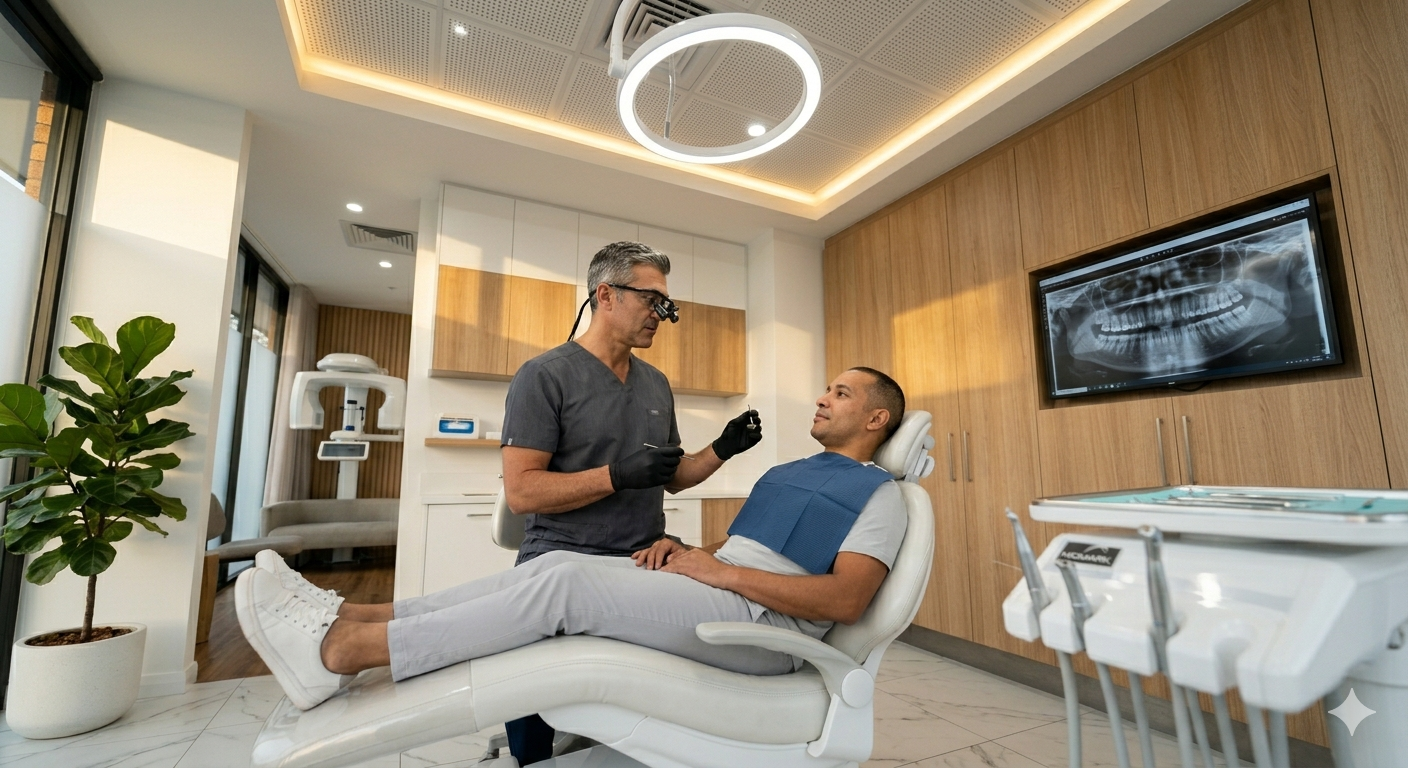
You can feel confident about finding a cosmetic dentist in Sellersburg, IN who combines modern techniques with personal care to improve both appearance and oral health. A skilled local cosmetic dentist will assess your needs, offer options like veneers, whitening, or Invisalign, and create a tailored plan that balances aesthetics, function, and comfort.
They explain treatments in plain language and prioritize patient comfort throughout every step, so you understand what to expect at your first visit and during follow-up care. Expect to learn how popular procedures work, how to choose the right dentist in Sellersburg, and simple ways to maintain your new smile for lasting results.
Cosmetic dentistry blends appearance and dental health to create natural-looking, functional smiles. Treatments range from simple whitening to full-mouth restorations, and they prioritize comfort, longevity, and predictable results.
Cosmetic procedures target color, shape, alignment, and spacing to produce measurable visual improvements. Teeth whitening removes stains from coffee, tobacco, and aging using in-office hydrogen peroxide gels or take-home trays with carbamide peroxide for gradual, controlled brightening.
Veneers—thin porcelain or composite shells—cover chips, gaps, and uneven teeth; porcelain resists staining and mimics enamel translucency, while composite costs less and repairs easily.
Orthodontic options such as clear aligners move teeth discreetly over months, improving bite and smile symmetry without metal brackets.
Dental bonding fixes small chips and irregularities in a single visit using tooth-colored resin.
Each option considers durability: porcelain lasts 10–15+ years, composite 5–7 years, and whitening maintenance varies by diet and touch-ups.
Personalization starts with a detailed exam, digital photos, and often intraoral scans to map tooth positions precisely. Diagnostic tools let the dentist show projected outcomes with digital smile design, so patients preview changes in shape, length, and shade before treatment begins.
Treatment plans weigh factors like gum display, facial proportions, bite forces, and lifestyle habits (smoking, grinding). For example, bruxism may require nightguards plus stronger restorative materials.
Cost, time commitment, and esthetic goals shape choices; some patients prioritize a white shade, others prefer subtle enhancements.
Clear communication and staged treatment ensure predictable results and less chair time.
Cosmetic dentistry corrects function as well as looks; improved chewing, speech, and bite alignment often accompany aesthetic treatments. Replacing missing teeth with implants restores occlusion and prevents adjacent tooth drift, while crowns protect weakened teeth from fracture.
Gum contouring reshapes excess tissue to reveal properly proportioned teeth and reduce sensitivity when gums recede.
Occlusal adjustments—shaping contact points—relieve uneven wear and decrease jaw pain.
Clinicians balance material choice and biomechanics to avoid short-term appearance gains that compromise long-term function, using durable ceramics and precise bonding protocols to ensure both comfort and lasting results.
Patients in Sellersburg frequently choose treatments that brighten, reshape, or repair teeth with minimal downtime. Practical choices include in-office or take-home whitening, custom porcelain veneers for lasting shape and color changes, and tooth-colored fillings or bonding for small repairs that preserve natural tooth structure.
Teeth whitening can significantly lighten enamel stains from coffee, tobacco, and aging. In-office whitening uses concentrated hydrogen peroxide and a protective protocol; results often appear after a single 45–90 minute visit and can lighten teeth several shades.
Take-home kits from the dentist use lower-concentration peroxide in custom trays. Patients wear trays for 30–60 minutes daily over one to two weeks; this approach offers gradual, predictable results and works well for maintenance after in-office treatment.
Over-the-counter products are less predictable and may cause uneven results or sensitivity. Dentists evaluate tooth sensitivity, existing restorations, and discoloration causes (intrinsic vs. extrinsic) before recommending the best whitening plan.
Porcelain veneers are thin ceramic shells bonded to the front of teeth to correct chips, gaps, shape issues, and color problems. The process typically requires two to three visits: consultation and mock-up, conservative enamel reduction with impressions, then final bonding once the lab fabricates the veneers.
Veneers provide a highly natural appearance because ceramic mimics light reflection of tooth enamel. They resist staining better than composite bonding and can last 10–15 years with good oral hygiene and routine dental care.
Candidates need sufficient enamel and healthy gums; veneers are not ideal for untreated decay or severe bite problems. Dentists discuss reversible vs. irreversible options, shade selection, and maintenance expectations during the treatment plan.
Tooth-colored (composite) fillings repair cavities while blending with natural tooth color. The dentist removes decay, isolates the tooth, then layers and cures composite resin to restore shape and strength. Composites bond to enamel and dentin, allowing more conservative tooth preparation than silver amalgam.
Composite bonding also repairs minor chips, closes small gaps, and reshapes teeth in a single visit. The material is sculpted directly and polished to match surrounding tooth anatomy. Bonding is cost-effective but may stain or wear over time and sometimes requires touch-ups or replacement after several years.
Dentists evaluate bite forces, location of the restoration, and patient habits (like coffee drinking or teeth clenching) to decide whether composite restoration or an alternative like porcelain onlay is best.
Patients should look for proven skills, patient-centered care, and clear visual evidence of results when selecting a cosmetic dentist. Practical considerations like technology, staff demeanor, and transparent pricing also affect comfort and outcomes.
A skilled cosmetic dentist combines technical training with an eye for aesthetics. Look for dentists with advanced coursework in veneers, bonding, porcelain crowns, and digital smile design, plus membership in professional groups like the American Academy of Cosmetic Dentistry.
Clinical experience matters: ask how many cases of a specific procedure they perform monthly and whether they use digital tools (intraoral scanners, 3D imaging) to plan restorations. Also confirm laboratory partnerships — quality dental labs make a big difference in shade matching and fit.
Communication is key. The dentist should explain options, risks, and maintenance in plain language and present multiple treatment pathways when appropriate. Clear, written treatment plans and before/after timelines indicate professional organization.
Patient-focused practices prioritize comfort, informed consent, and follow-up. Reception and clinical staff should explain financing, anesthesia choices (topical, local, sedation), and postoperative care before treatment begins.
Look for short wait times, private consultation rooms, and pain-management protocols tailored to anxious patients. Practices that offer same-day provisional restorations or chairside milling (CEREC) reduce time in temporary restorations.
Review online patient feedback for recurring praise or complaints about communication, appointment scheduling, and cleanliness. Confirm warranty policies on cosmetic work and availability for emergency touch-ups after hours or on weekends.
Before-and-after photos reveal a dentist’s aesthetic consistency and technical quality. Request high-resolution images with standardized lighting and angles, including close-ups and full-smile views.
Assess symmetry, gum contour, color matching, and the natural look of tooth shape. Watch for over-bright, uniformly white smiles that may appear artificial; subtle gradients and translucency signal better craftsmanship.
Ask about cases similar to the patient’s: stained teeth, diastema closure, or chipped teeth. Inquire how long restorations have lasted and whether patients returned for adjustments. Also request patient testimonials about comfort and function after treatment.
Modern cosmetic dentistry delivers faster procedures, gentler treatment, and outcomes that closely match natural teeth. Patients experience less discomfort, shorter chair time, and aesthetic results tailored to their facial features and lifestyle.
Minimally invasive cosmetic methods prioritize preserving natural tooth structure. Techniques like tooth-colored composite bonding, conservative veneers (0.3–0.5 mm thickness), and digital smile planning reduce or eliminate the need for extensive enamel removal. That means less postoperative sensitivity and lower risk of future complications.
Laser dentistry and air abrasion allow dentists to target only damaged enamel or stains without large drills. Many procedures complete in one visit or two, cutting total treatment time from weeks to days. Patients with dental anxiety benefit from shorter appointments and gentler tools, improving comfort and cooperation.
Local anesthesia and modern sedation options further minimize discomfort. Recovery is typically rapid: mild sensitivity for a few days after bonding or veneer placement is common, while implants or larger restorative work follow standard healing timelines with clear aftercare instructions.
Contemporary materials mimic tooth translucency, texture, and color with high fidelity. Porcelain and nano-hybrid composites come in layered shades and opacities, enabling dentists to match adjacent teeth and facial tones precisely. This avoids the “too white” or artificial appearance many patients fear.
Digital shade-matching and CAD/CAM milling produce restorations that fit margins snugly and align with bite dynamics. Skilled technicians can replicate surface anatomy like perikymata and slight translucency at edges, so restorations blend seamlessly under different lighting conditions. Patients receive try-ins or virtual mock-ups to preview outcomes before finalization.
Design focuses on proportion and function as well as aesthetics. Cosmetic improvements restore lip support and chewing efficiency while maintaining tooth strength. That balanced approach prevents future wear or unnatural stresses caused by poorly fitted cosmetic work.
Durable materials and improved bonding protocols extend the lifespan of cosmetic treatments. Well-maintained veneers, crowns, and bonded restorations commonly last 10–15 years or more, while modern zirconia and porcelain implants can last decades with proper care. Longevity depends on oral hygiene, grinding habits, and routine dental visits.
Preventive strategies such as custom nightguards for bruxism, targeted fluoride treatments, and professional cleanings protect cosmetic work. Maintenance is straightforward: avoid hard-chew habits, use non-abrasive toothpaste, and schedule check-ups every six months or as recommended. Timely repairs of small chips or margins prevents larger failures.
Many offices offer digital records and photos to monitor restorations over time, enabling proactive adjustments. Patients gain predictable, long-term value by combining modern materials with routine preventive care and prompt attention to changes.
Patients can expect personalized comfort measures and clear pain control plans that reduce stress and make procedures predictable. The practice prioritizes gentle techniques, continuous monitoring, and options for anxiety management tailored to each person.
The team uses targeted numbing protocols so patients feel minimal sensation during procedures. Local anesthetic is applied with topical gel first, then a slow, staged injection technique to reduce sting and distribute numbness evenly.
Comfort items are available in the treatment room: neck pillows, heated blankets, and noise-cancelling headphones. The dental chair reclines smoothly and staff adjust lighting and head support to prevent neck strain during longer appointments.
During restorative work, clinicians use rubber dams and suction to keep the mouth dry and protect soft tissues. Short, frequent breaks are offered on request, and clinicians confirm comfort verbally at regular intervals to prevent surprises.
For patients with dental anxiety, the office offers nitrous oxide (laughing gas) administered through a mask for rapid-onset relaxation with quick recovery. Staff titrate oxygen and nitrous carefully, monitor vitals, and remove the mask when the patient is alert—allowing same-day activities like driving if local rules permit.
Oral sedatives are available after a pre-visit medical review and clear instructions about having a companion drive. Sedation levels are chosen based on procedure length, medical history, and the patient’s comfort goals; follow-up monitoring occurs until the patient meets discharge criteria.
For complex cases, intravenous (IV) sedation is coordinated with trained personnel and emergency equipment on site. Throughout sedation, the team documents oxygen saturation, blood pressure, and heart rate, and explains each monitoring step so patients and their companions understand safety measures.
Proper daily care and timely preventive steps keep cosmetic work looking natural and lasting longer. Small routine choices—brushing technique, products, and follow-up visits—make the biggest difference in stain control, gum health, and prosthetic longevity.
They should brush twice daily for two minutes using a soft-bristled toothbrush and a fluoride toothpaste. For veneers or crowns, a non-abrasive whitening toothpaste prevents surface wear; for natural teeth, a standard fluoride paste helps prevent decay.
Flossing once a day removes plaque at the gumline and between restorations. If floss slides or snags around restorations, interdental brushes or a water flosser provide safer, more effective cleaning without stressing margins.
Limit staining foods and drinks—coffee, tea, red wine, and dark berries—and rinse with water within 10–15 minutes after consuming them. Use a straw for beverages when possible to reduce contact with front teeth.
Avoid hard or sticky foods that can chip composite bonding or stress crowns. If they grind or clench at night, a custom nightguard protects restorations and prevents jaw pain.
They need scheduled checkups every 6 months, or as the dentist recommends, so the clinician can monitor margins, bite, and gum stability. Professional cleanings remove calculus that home care can’t, protecting both restorations and natural teeth.
Report sensitivity, looseness, or a change in bite immediately; early adjustments often prevent more extensive repair. Minor polish or re-bonding usually fixes small chips or rough edges quickly.
Use products recommended by the dentist—prescription fluoride, specific mouth rinses, or maintenance kits for implants—to address individual risks. For smokers, quitting or reducing tobacco preserves color and gum health around cosmetic work.
Keep records of materials used (porcelain, composite, zirconia) and the lab or brand when possible; that information speeds future repairs and ensures compatible materials for touch-ups. If they have questions about care between visits, the practice typically offers quick phone or messaging support.
Patients will complete a brief medical and dental history, have digital X-rays taken as needed, and sit for a focused smile conversation about goals and concerns. The team will check teeth, gums, bite alignment, and existing restorations to build a clear starting picture.
The visit begins with friendly front-desk check-in and a short health form that notes medications, allergies, and past dental work. A dental hygienist or assistant will take intraoral photos and digital X-rays when indicated to document tooth positions, underlying bone levels, and any decay not visible to the naked eye.
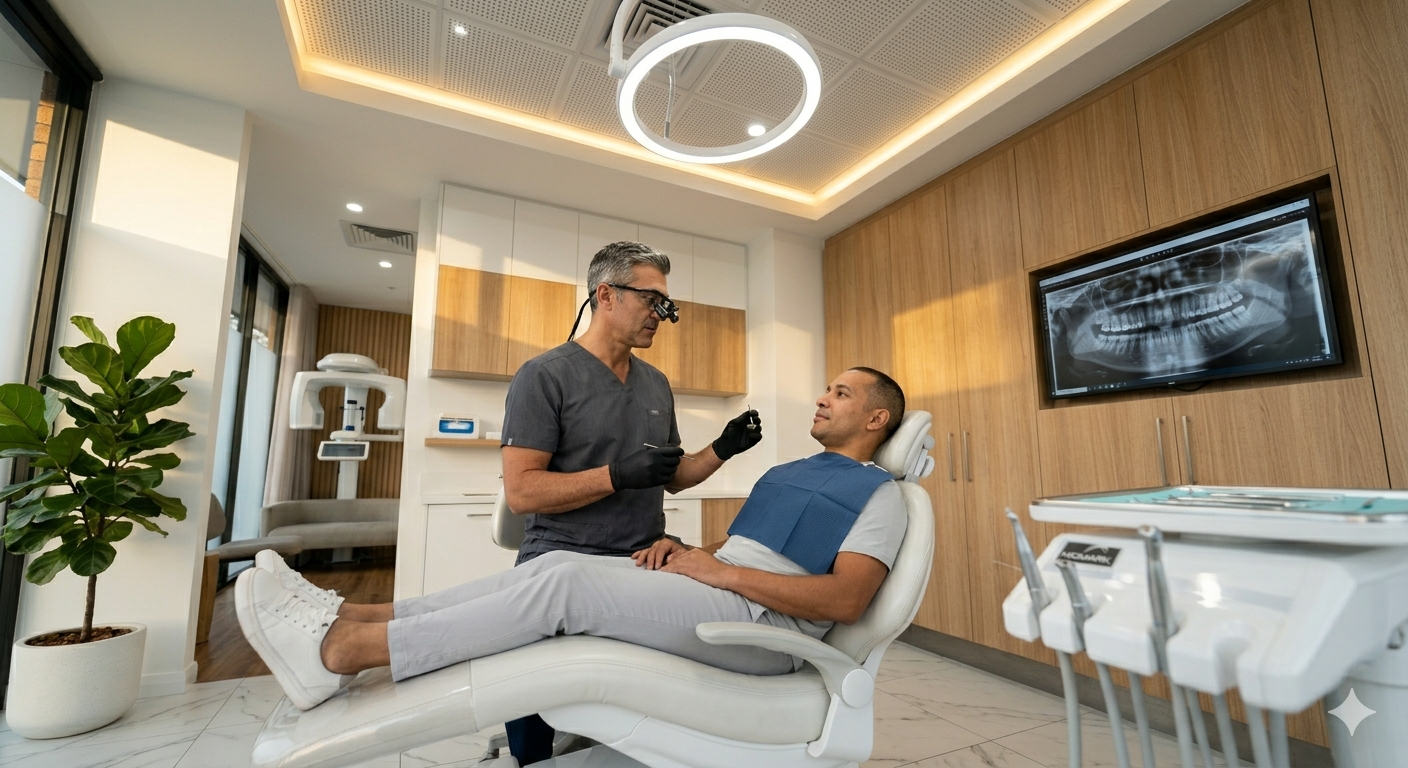
Next, the dentist conducts an oral exam lasting about 15–25 minutes. They assess enamel condition, gum health, occlusion (bite), and any wear or staining patterns. The patient sees high-resolution photos and X-rays on a chairside monitor so they understand the issues visually.
The clinician asks specific questions about smile goals—whiter teeth, closing gaps, replacing old crowns, or aligning front teeth—and notes any sensitivity or cosmetic priorities. This thorough documentation ensures recommendations match the patient’s needs and medical background.
After the exam, the dentist reviews findings and proposes tailored options with estimated timelines and costs. They outline conservative choices first—professional whitening or composite bonding—then explain restorative alternatives like veneers, crowns, or clear aligners when needed.
The plan includes a step-by-step schedule: preparatory hygiene visit, imaging or impressions, provisional restorations if required, and final placement. The office will discuss anesthesia choices, healing expectations, and post-procedure care for comfort and predictable results.
A written treatment summary and a payment/insurance overview are provided so the patient can review options at home. The team invites questions and can schedule follow-up visits or a digital mock-up appointment to preview expected outcomes.
Cosmetic dentistry can change how people feel about their smiles. When someone corrects stains, chips, or gaps, they often smile more freely in social and professional settings.
Improved appearance often leads to improved self-image. A straight, bright smile can reduce self-consciousness and encourage more open body language.
Procedures like teeth whitening, veneers, and bonding provide relatively quick, visible results. These treatments are conservative and can be tailored to match natural tooth color and shape.
Many patients report tangible benefits beyond looks. They describe feeling more confident during job interviews, dates, and public speaking situations.
Dentists in Sellersburg, IN emphasize comfort and realistic expectations. They discuss options, timelines, and maintenance so patients understand both benefits and limits.
Practical steps help sustain confidence after treatment:
A caring cosmetic dentist also addresses anxiety and comfort during treatment. Clear communication and gradual, customized plans help patients feel supported throughout the process.
Patients are encouraged to ask about financing, treatment duration, and expected outcomes. Scheduling a consultation lets them explore options and make informed choices about improving their smile.
A consultation begins with a friendly phone call or online form to schedule an appointment. The dental team confirms insurance details, preferred times, and asks about basic dental history to streamline the visit.
During the first in-office meeting, the dentist performs a focused exam and reviews concerns the patient shared. They take digital X-rays or photos when needed to assess structure, alignment, and esthetics.
The dentist explains findings in plain language and outlines treatment options with benefits, risks, and typical timelines. They discuss cosmetic choices—veneers, whitening, bonding, or orthodontics—matching options to the patient’s goals and budget.
Patients receive a clear treatment plan that lists steps, estimated costs, and expected appointment length. The plan often includes preventive measures to protect results, like nightly retainers after orthodontics or maintenance whitening protocols.
A brief Q&A follows so patients can raise concerns about comfort, recovery, or payment plans. Many practices offer sedation options, flexible financing, and same-day restorations when appropriate to reduce anxiety and time away from work.
Suggested checklist to bring:
Encourage them to call or book online to set up the consultation and ask any preliminary questions.
This section answers practical questions about brightening teeth, fixing chips and gaps, consultation steps, comfort and anxiety management, costs and financing, and choosing a trusted local cosmetic dentist. Each answer gives concrete options, typical timelines, and what patients can expect at Sellersburg, IN practices.
Professional in-office whitening uses higher-concentration peroxide and often light activation to lift deep stains in one to two visits. Take-home custom trays made from impressions provide stronger, longer-lasting results than store strips and allow controlled at-home treatments.
Porcelain veneers or thin ceramic shells also mask severe discoloration that whitening can’t fix. These require enamel preparation and lab fabrication, usually completed in two to three appointments.
Dental bonding uses tooth-colored composite applied and shaped directly on the tooth in a single visit; it’s less expensive and preserves more natural tooth. Bonding suits small chips, minor gaps, and short-term cosmetic fixes but may stain or chip over time.
Veneers are thin porcelain shells bonded to the front surface and resist staining better while providing more predictable color and shape changes. Veneers require two to three visits and a higher investment, making them preferable for multiple teeth or long-term cosmetic goals.
A consultation typically includes a dental exam, digital photos, and bite assessment to identify cosmetic and functional needs. The dentist discusses goals, shows sample cases, and offers a recommended plan with timing and cost estimates.
Treatment duration depends on the plan: whitening can finish in days, bonding in a single appointment, veneers in two to three visits over two to four weeks, and full smile makeovers several weeks to months when orthodontics or implants are involved.
Most cosmetic treatments use local anesthesia for painless procedures, and modern techniques minimize pressure and vibration. Dentists offer topical numbing gel, longer-acting anesthetics, and gentle chairside techniques for added comfort.
For anxiety, options include nitrous oxide (laughing gas), oral sedatives prescribed in advance, or IV sedation when appropriate. Practices in Sellersburg often discuss sedation options during the consultation and tailor a comfort plan to each patient.
Typical ranges in the Sellersburg area: professional whitening $300–$800, composite bonding $100–$400 per tooth, porcelain veneers $900–$2,500 per tooth, and full smile makeovers vary widely based on scope. Exact pricing depends on materials, lab fees, and the dentist’s experience.
Many offices offer third-party financing (CareCredit or similar), in-house payment plans, and flexible monthly options. Patients should request a written estimate and compare financing terms before starting treatment.
Look for a dentist with specific cosmetic experience, clear examples of before-and-after cases, and consistent positive patient reviews mentioning comfort, communication, and natural-looking results. Credentials such as ongoing cosmetic training, membership in professional cosmetic dentistry organizations, and patient testimonials add credibility.
During a visit, evaluate the practice’s communication, realistic outcome previews (digital mockups or temporary mock-ups), and willingness to show lab credentials. A trusted dentist explains alternatives, maintenance needs, and provides a clear written treatment plan.